Health and Safety Policy for Landscaping Crystalpalace
 At Landscaping Crystalpalace, health and safety are central to every project we plan and deliver. This policy sets out the standards we follow to protect employees, contractors, clients, visitors, and members of the public while carrying out landscaping work. It applies to all site activities, including preparation, planting, turfing, hard landscaping, maintenance, waste handling, equipment use, and material movement. Our aim is to maintain a safe working environment through careful planning, training, supervision, and continuous improvement.
We believe that effective safety management is not a separate task but part of everyday work. Each employee is expected to work responsibly, use equipment correctly, and raise concerns promptly. Managers and supervisors are responsible for making sure that risks are assessed before work begins and that suitable controls are implemented. This includes checking the site for hazards, considering weather conditions, identifying underground or overhead risks, and ensuring tasks are matched to the competence of the team.
Landscaping health and safety depends on clear communication and shared responsibility. We encourage everyone involved in our work to stay alert, follow instructions, and respect site rules at all times. Where a hazard cannot be removed completely, we reduce the risk through safe systems of work, protective equipment, or changes to the work method. Our commitment is to prevent injury, protect property, and deliver landscaping services in a professional and safe manner.
 All work must begin with a risk assessment proportionate to the task. For smaller jobs, a brief site review may be enough; for more complex projects, a fuller written assessment is required. Typical risks include moving vehicles, slips and trips, manual handling, sharp tools, noise, dust, vibration, falling materials, unstable ground, and contact with hazardous substances. The purpose of the assessment is to identify controls before work starts and to review them if conditions change.
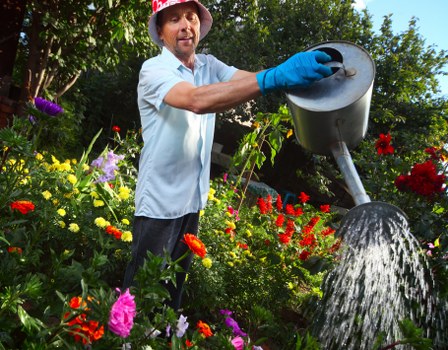
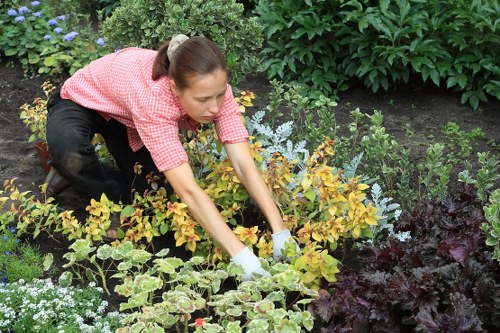
Employees must use appropriate personal protective equipment where required. Depending on the task, this may include gloves, safety boots, eye protection, hearing protection, helmets, high-visibility clothing, or dust masks. PPE is the last line of defence and does not replace good planning or safe working methods. All equipment must be maintained in serviceable condition, stored properly, and used only by trained or authorised personnel.
We place strong emphasis on manual handling safety because landscaping often involves lifting, carrying, pushing, and pulling heavy or awkward items such as soil, paving, timber, plants, and machinery. Team members should use lifting aids where available, share loads, and avoid unnecessary twisting or overreaching. Where practical, materials should be delivered close to the point of use to reduce handling distance and strain.
 The safe use of tools and machinery is essential to our landscaping company safety standards. Operatives must check equipment before use, report defects immediately, and never bypass guards or safety features. Petrol-driven and powered equipment must be used in line with manufacturer instructions and company procedures. Only trained workers may operate higher-risk machinery, and all users must stop work if equipment becomes unsafe or behaves unexpectedly.
Housekeeping is another important part of our policy. Work areas must be kept tidy to reduce the risk of trips, slips, cuts, and obstruction. Materials should be stacked securely, pathways kept clear, and waste removed regularly. When work affects access routes or shared spaces, barriers, signs, or temporary arrangements must be used to keep people safe. Good housekeeping also helps improve efficiency and prevents avoidable incidents.
We are committed to controlling environmental and weather-related risks, which can significantly affect landscaping safety. Wet surfaces, heat, frost, strong winds, and poor visibility can all create additional hazards. Tasks may need to be paused, rescheduled, or adapted when conditions become unsafe. Drinking water, rest breaks, and suitable clothing are important during warmer periods, while cold-weather measures should be used when temperatures drop.
Training, supervision, and competence are key parts of our approach. Every worker must receive the instruction needed to carry out their role safely and competently. New staff and less experienced workers will be supervised more closely until they are confident and capable. Refreshers may be provided when methods change, new equipment is introduced, or patterns of risk are identified. We expect supervisors to lead by example and reinforce safe behaviour.
We also maintain clear procedures for reporting incidents, near misses, unsafe conditions, and damage. Reporting helps us understand what went wrong and prevents recurrence. All incidents will be reviewed so that lessons can be learned and corrective action taken. Where necessary, work may be paused while the situation is made safe. Prompt reporting supports a stronger health and safety culture across the business.
Visitors, clients, and other third parties must be protected from site hazards. Before work begins, we aim to explain any restrictions, highlight exclusion zones, and keep the area as secure as possible. Where public access is nearby, additional care is taken to manage movement of tools, vehicles, and materials. We expect all personnel to behave professionally, avoid rushing, and remain aware of others working around them.
Responsibilities and Safe Working Standards
Management is responsible for providing the resources needed to implement this policy, including competent supervision, suitable equipment, and time for safe work planning. Workers are responsible for cooperating with safety procedures and using equipment as instructed. Everyone should stop and seek advice if unsure about a task. Safety in landscaping depends on active participation from the whole team, not just from managers or supervisors.
Core commitments
- Identify hazards before work starts and review them when conditions change.
- Use the correct tools, equipment, and protective measures for each task.
- Keep work areas tidy and secure throughout the job.
- Report accidents, defects, and near misses without delay.
- Support training and supervision to maintain competence.
- Protect the public, clients, and all workers from foreseeable harm.
We will review this policy regularly to ensure it remains effective, practical, and aligned with our operations. Improvements may be made following inspections, incident investigations, staff suggestions, or changes in working methods. Our goal is to uphold a reliable standard of landscaping health and safety that supports quality work and a safe workplace for everyone involved.
 Where tasks involve higher-risk activities, additional controls will be applied. These may include isolating power sources, using traffic management arrangements, restricting access, obtaining permits where required, or assigning extra supervision. No task should proceed unless the hazards are understood and the controls are in place. If the risk cannot be reduced to an acceptable level, the work must be stopped and reassessed.
We expect a culture of respect, accountability, and prevention. Unsafe behaviour, careless actions, or intentional disregard for procedures will not be tolerated. By maintaining clear standards and working cooperatively, Landscaping Crystalpalace can continue to deliver services efficiently while protecting the wellbeing of everyone affected by our work.
 This policy takes effect immediately and applies to all landscaping operations carried out under our control. Every person involved has a role to play in maintaining safe practices, protecting equipment, and reducing risk. Through consistent attention to detail and shared responsibility, we aim to keep our landscaping services safe, professional, and dependable.